
BELONG
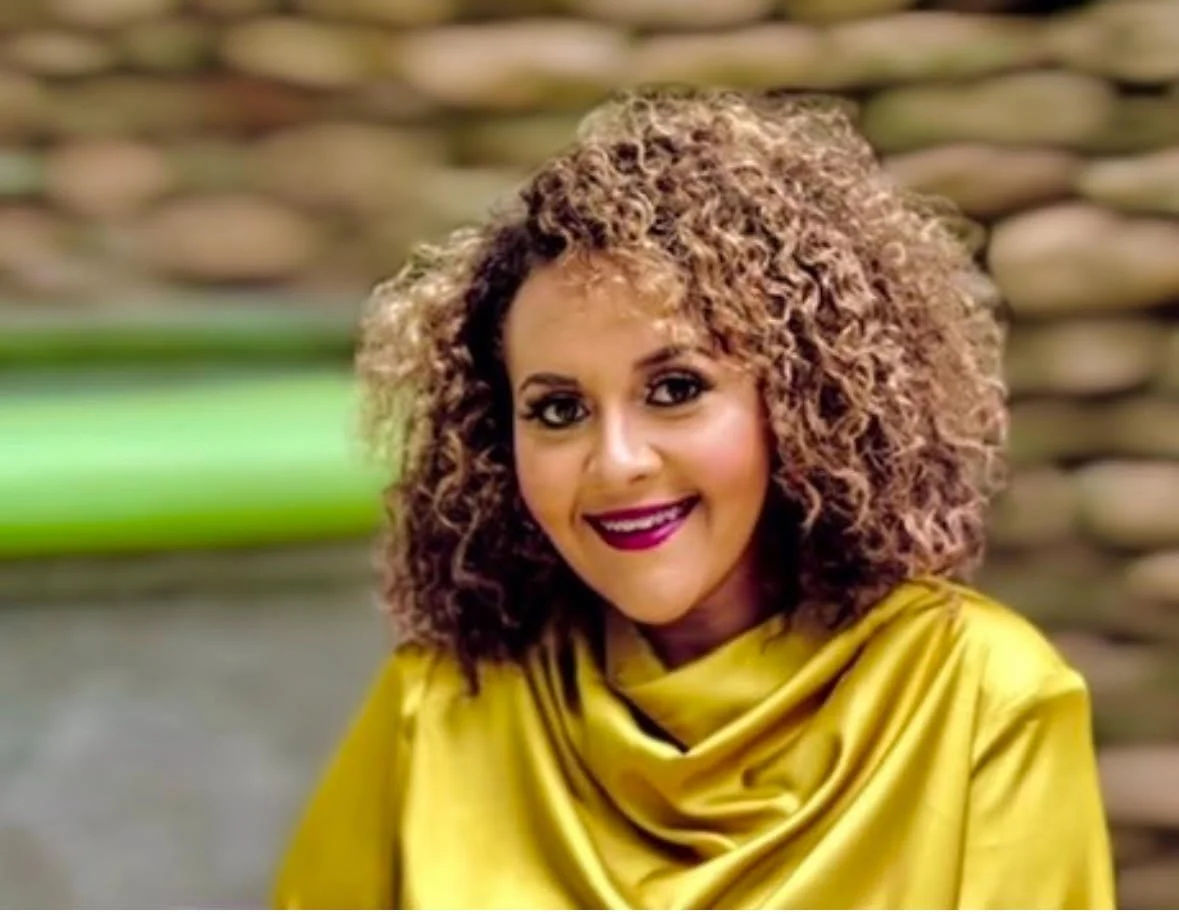
Lula Abera, Director of CEE
This year’s BELONG curriculum had a profound impact on a group of students who entered the program feeling disconnected from school and unsure of where they fit. During the first session, several shared openly that they often felt invisible in their classes, misunderstood by peers, and unsure why they were even showing up to school. For them, school felt like a place they moved through, not a place where they belonged
Over time, the BELONG space became something different: a room where they felt safe enough to name their experiences without judgment. What began as hesitant participation gradually shifted into deeper conversation. By Session Three, the girls described the workshop as “the closest thing we have to therapy at school.”
One standout moment came during our exercise on “Who I am vs. Who I show the world.” As they mapped parts of their identities they hide and the parts they wish others understood, one student shared, “I don’t talk in school because I don’t think anyone actually wants to hear from me.” Another student responded, “But we hear you here. We get you.” That simple exchange changed the tone of the room. Their walls softened, and the students began supporting each other in ways they hadn’t before.
By the end of the program, the same students who once felt disconnected arrived early, asking deeper questions, and encouraging one another to speak openly about their identity, family expectations, and cultural pressures. They began to see themselves as part of a community, one they helped build.
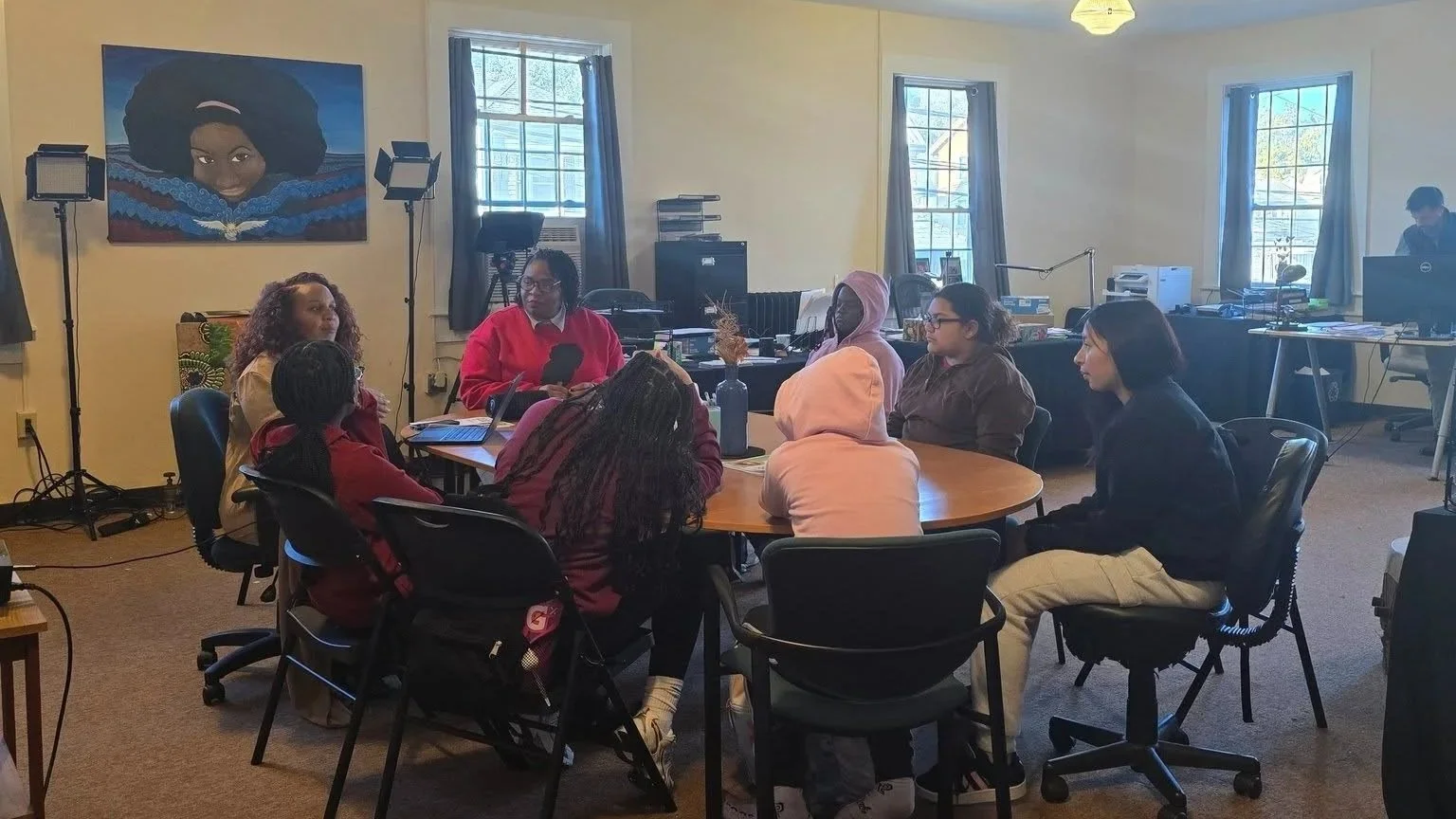
As the facilitator, I often tell them, “Belonging doesn’t come from fitting in. It comes from being able to show up as your full self and still be accepted. You deserve that.”
The girls have shared that the BELONG sessions helped them feel more grounded, more confident, and more connected not only to each other, but to themselves. Some now talk about school not as a place they must survive, but as a place they might shape, influence, and navigate with a stronger sense of identity.
The curriculum didn’t just teach concepts; it gave them permission to feel, to speak, and to see themselves reflected in the community.
